Qigong exercises: routines and forms at a glance
Qigong exercises pair slow, gentle movement with calm breathing and focused attention. A qigong workout needs no equipment, and you can do it standing or seated.
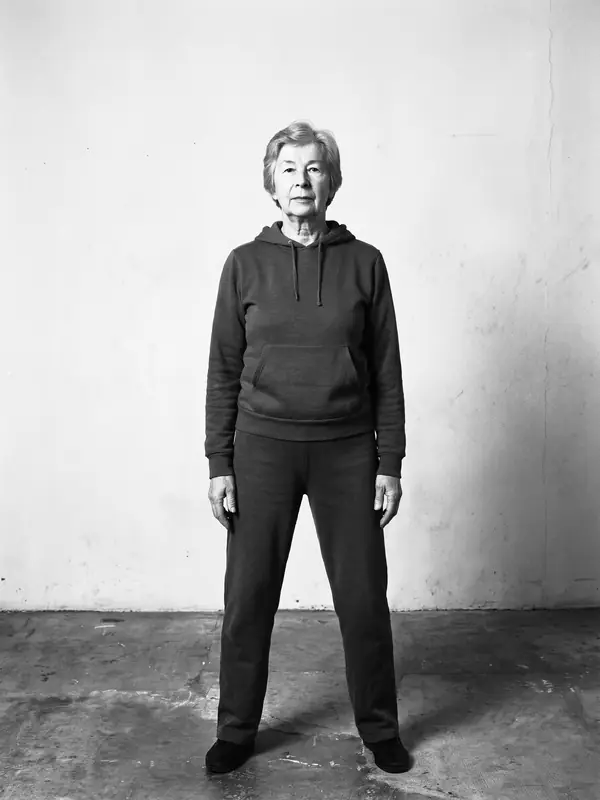
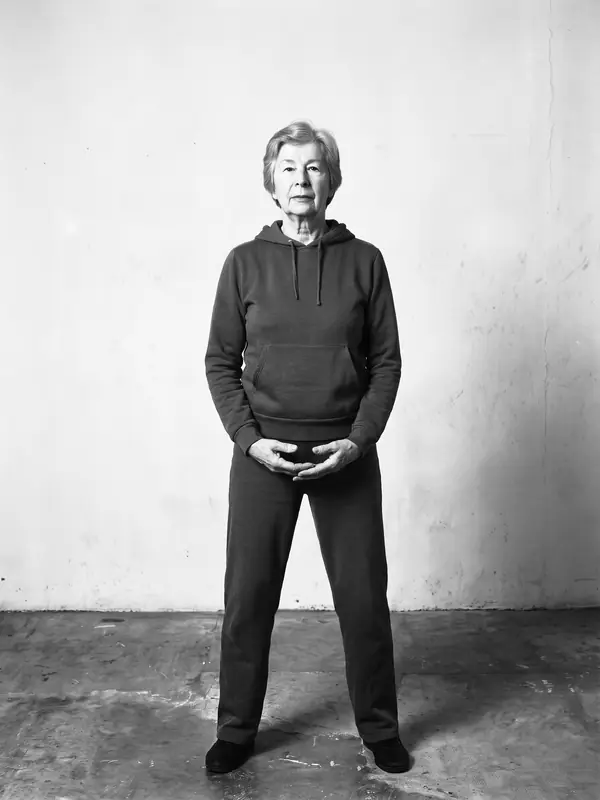
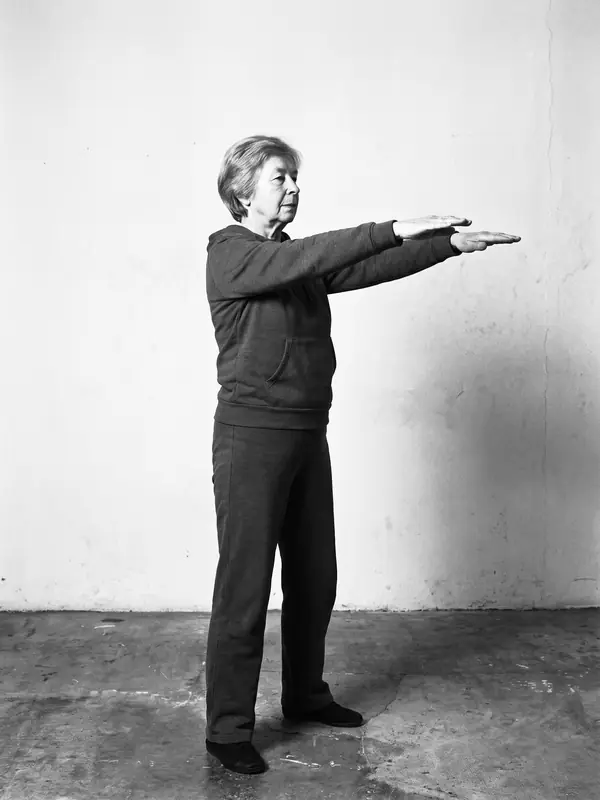
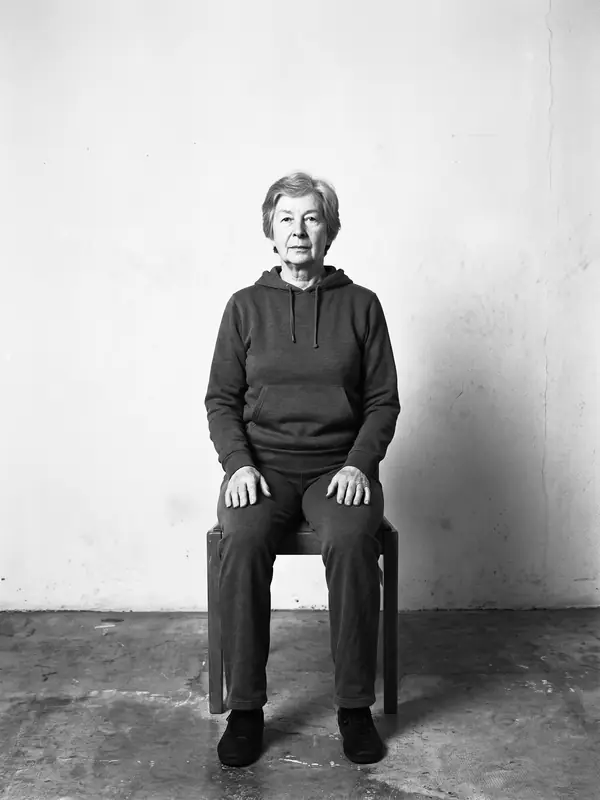
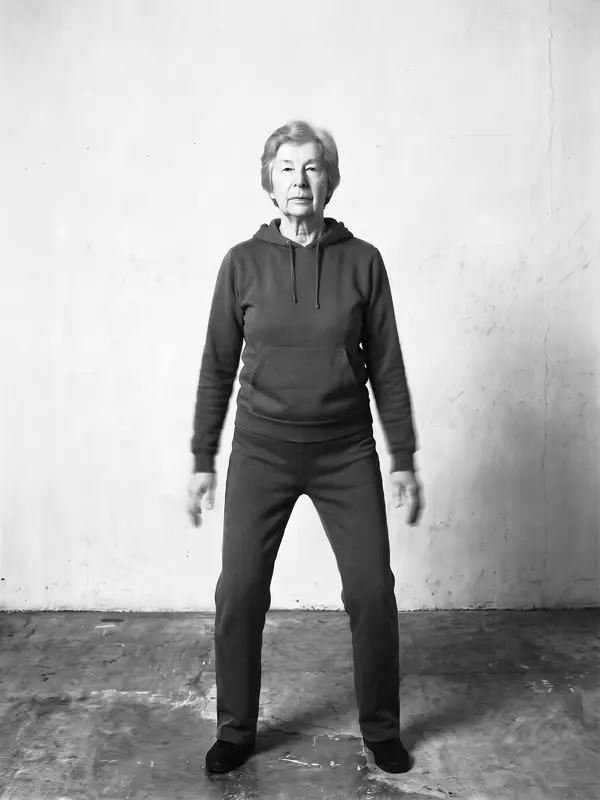


The person in these photos does not exist. The images were made with AI. Why?
Which qigong form suits you?
| Form | What it is | Suits you if |
|---|---|---|
| Eight Brocades (Baduanjin) | 8 slow, flowing moves | you want one manageable classic form |
| 18 Movements (Shibashi) | 18 slow moves with little foot movement | you like variety without much stepping |
| Five Animals (Wu Qin Xi) | Imitates five animals | you enjoy a playful style |
| Six Sounds (Liu Zi Jue) | Long exhales with six sounds | breath interests you most |
| Yi Jin Jing | Twists and stretches, especially the spine | you have some experience, since it is seen as demanding |
Form details come from HealthHub Singapore, Ji Hong Tai Chi and Cloud Hands. The beginner, senior and morning routines are adaptations that we put together.
What does a qigong workout look like?
Most sessions open with quiet standing or sitting, loosen the neck and shoulders, repeat a few slow moves with the breath, and end in stillness.
How often should you practice?
NCCIH sets no general schedule. White Tiger Qigong calls ten minutes each morning a good start.
Do qigong exercises work?
See what studies report under qigong benefits, and who should take care under is qigong safe?. A local class adds a teacher's feedback.
Sources
- Qigong: What You Need To Know (NCCIH)
- Tai Chi and Qigong (VA Whole Health)
- Qigong: Health Benefits and Different Practice Forms (HealthHub Singapore)
- What is Health Qi Gong? (Ji Hong Tai Chi and Qi Gong)
- Cloud Hands: Shibashi Qigong Exercises
- Morning Qigong Routine: 10 Minutes to Start Your Day (White Tiger Qigong)